Chef Massimo Mele’s Tasmanian Food Tour: Meeting the Local Producers Behind the Plate
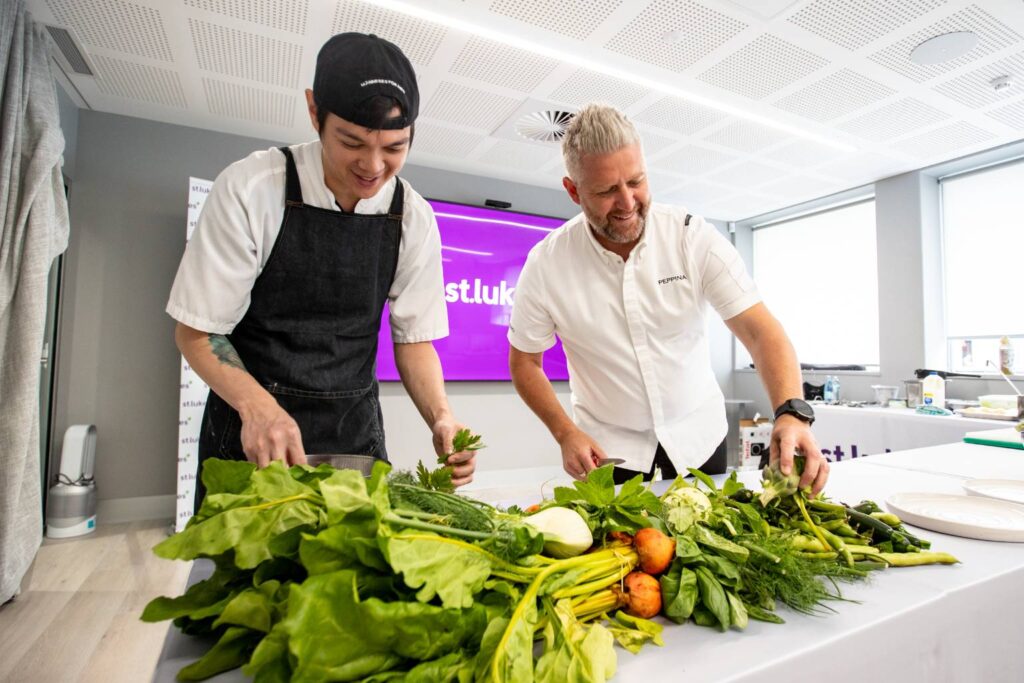
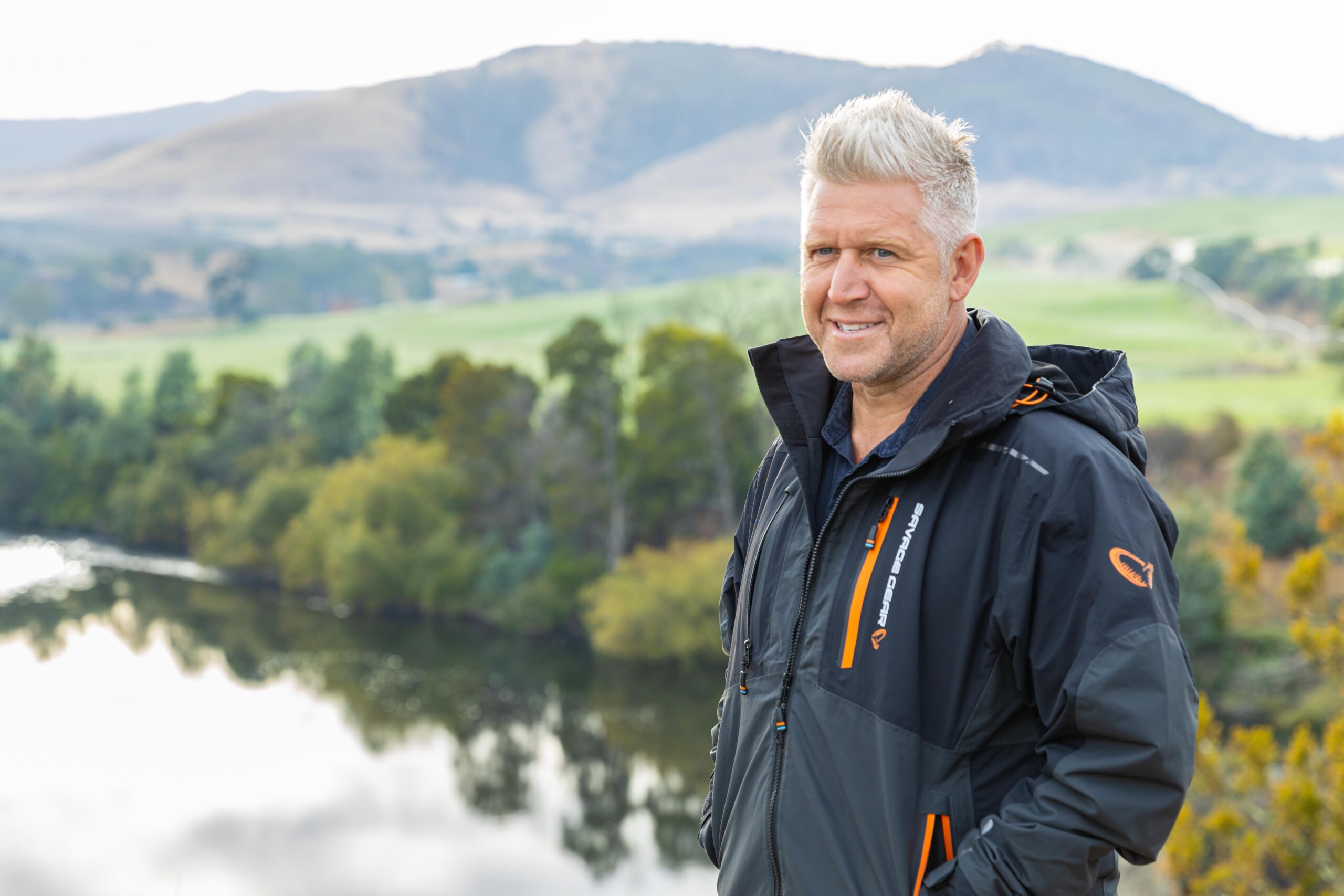
“I realised that day the value of the humble spud,” laughs Tasmanian-born Italian-raised chef and Electrolux ambassador Massimo Mele. He’s recalling the time he joined Erinvale Potato farmer, Wayne Adams in the back of the harvesting truck, in Tasmania’s Tamar Valley. Swapping his kitchen whites for work clothes, Mele felt more soil, than chef. “I literally had more dirt in my ear, nose and hair than the potatoes,” he says. For Massimo, moments like these, standing in the paddock, talking with growers and getting his hands dirty, are where every great dish truly begins.
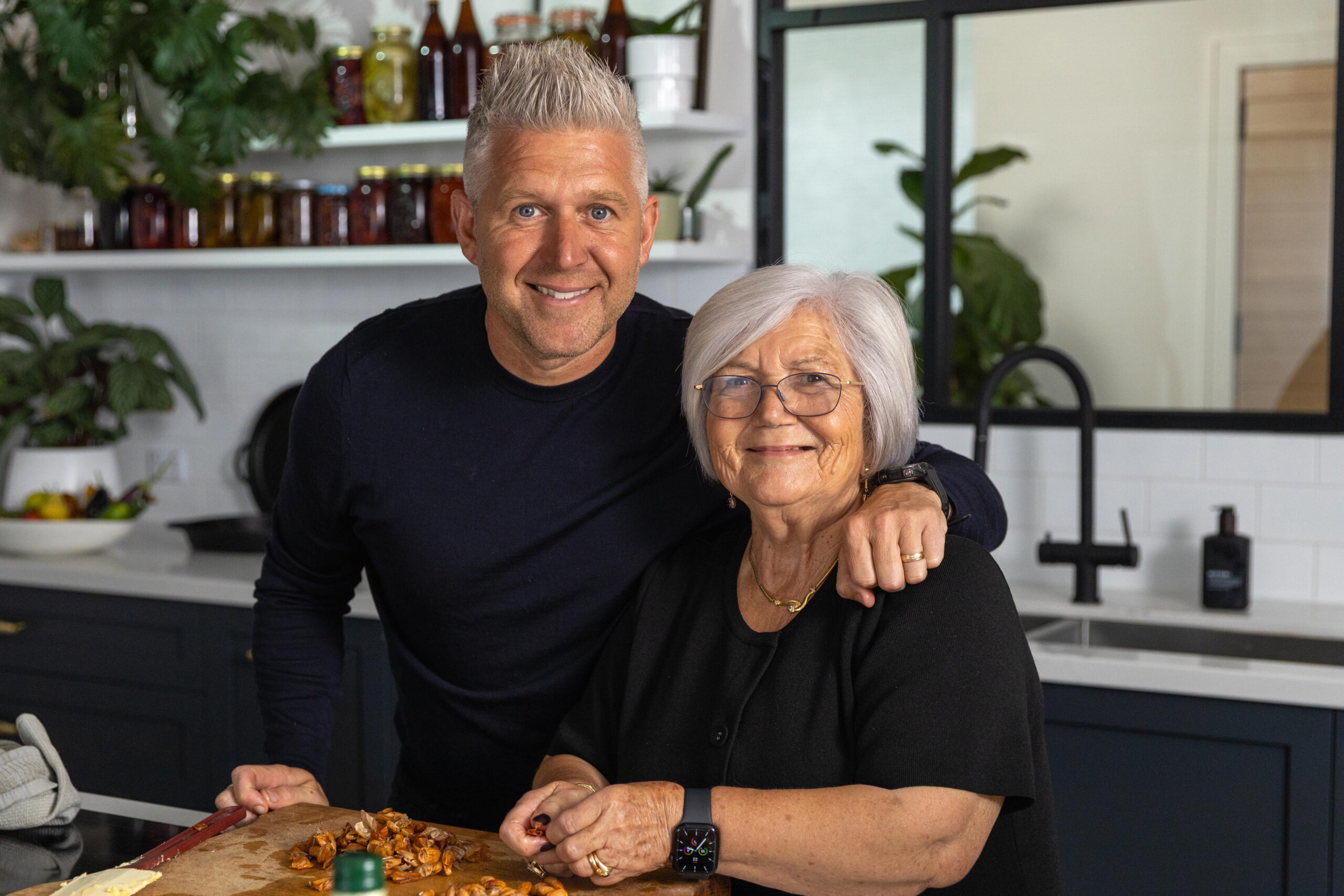
It marks a new beginning for Mele. After 20 years cooking across some of the country’s busiest and best kitchens, he’s turned his focus local – the closer to his Hobart home the better. Opening a new studio kitchen and producing garden, where he plans to host a series of intimate cooking experiences, Mele says local produce is more important than ever. “After working in kitchens for years, I get more excited about where the produce comes from, who grew it and how it needs to be treated,” he says. That curiosity now shapes everything from his restaurant menus to his television work, inviting guests to connect with the people and places behind each ingredient.
Mele believes it’s the feeling of community and close proximity to stunning produce that sets the Tasmanian food scene apart. “There’s a sense of pride among the growers. People love to share their produce and enjoy watching others enjoy it,” he says.
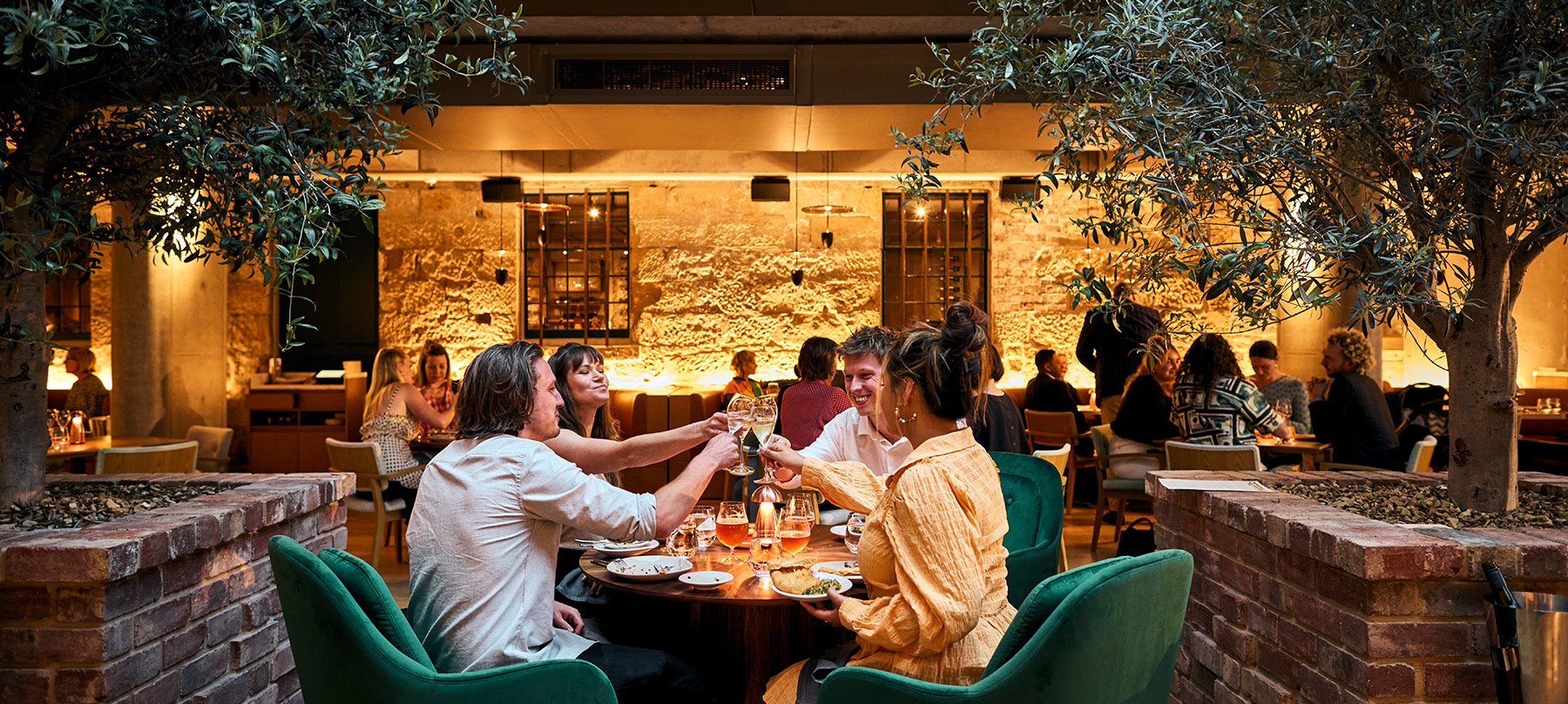
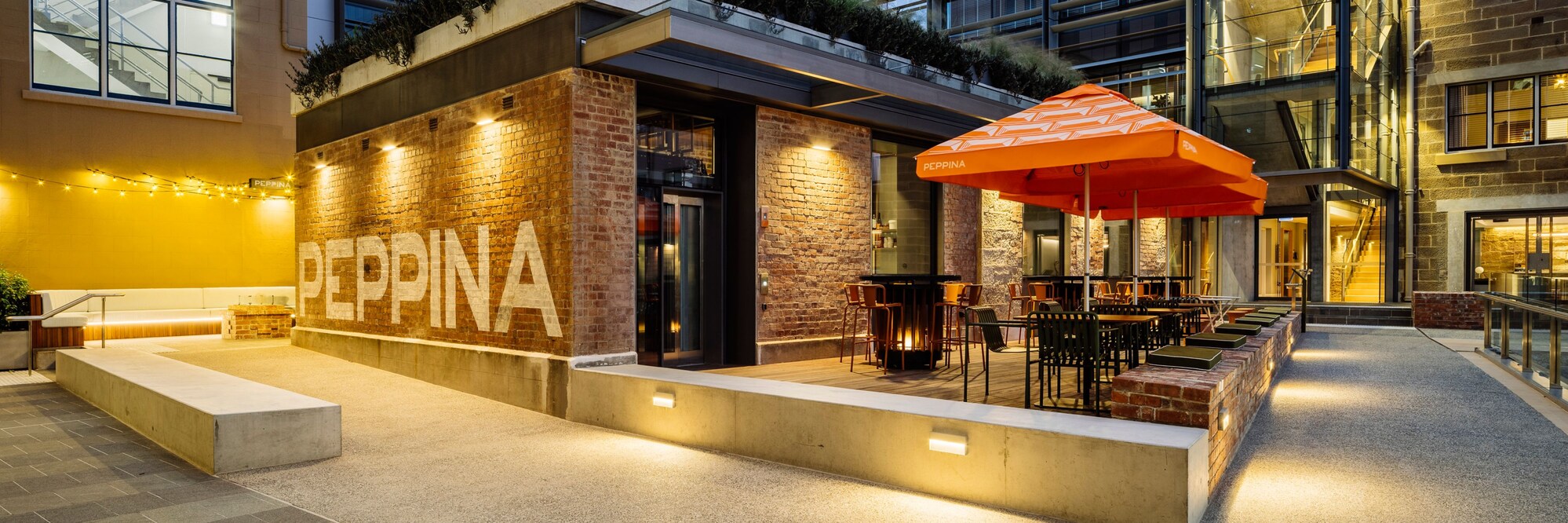
It’s this pride and passion that appeals to him in a producer, also looking for the shared values of integrity, honesty and a sense of humour. “Passionate people always grow the best produce,” Mele says. Those relationships have become the backbone of Massimo’s cooking – from long lunches at home to his work at Peppina and Grain of the Silos, where producer names are spoken with the same respect as the dishes themselves.
The chef’s guiding food philosophy is to cook with produce that’s in season, believing “half your work is done as you can taste the difference and that’s what gourmet is.” Meanwhile, practicing sustainability everyday for him means mindful moderation – only planting what you can eat – and only buying and cooking what you need, using energy and water efficient appliances, such as those offered by sustainability leaders Electrolux. It’s a simple, thoughtful approach that home cooks can apply too: shop locally, waste less, and let seasonal flavour do the heavy lifting.
Here, Mele provides his insider’s guide to Tassie, with a local’s look at 4 of his many producers.